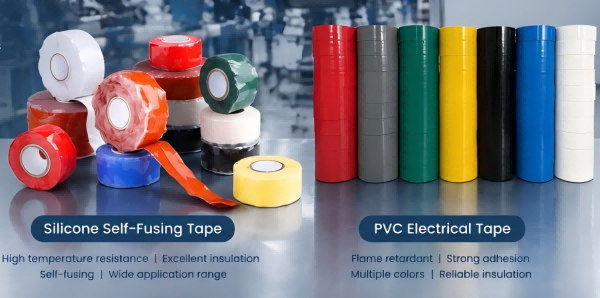
Electrical tape is widely used for wire insulation and electrical protection, but its heat resistance depends largely on the backing material.
Standard PVC electrical tape is designed for general electrical applications, while silicone self-fusing tape offers a much wider operating temperature range. Understanding the difference helps users choose the right tape for different working environments.
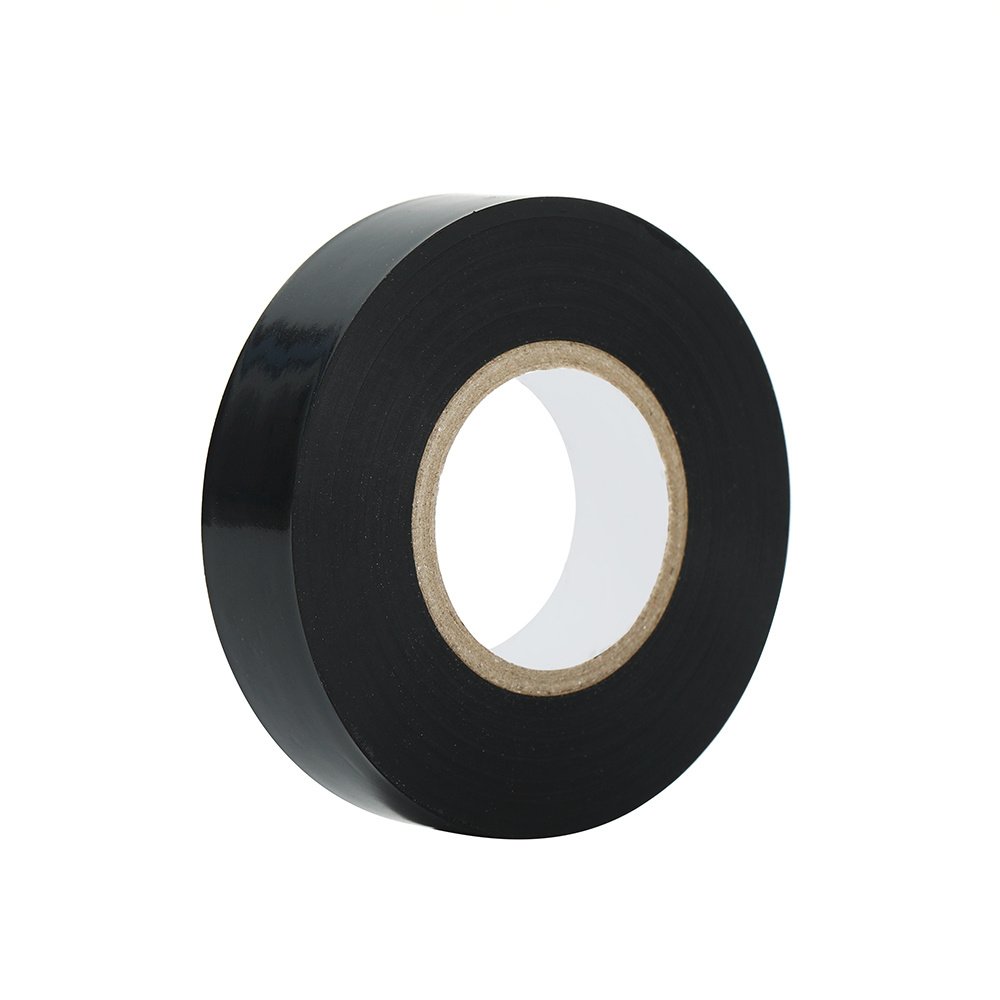
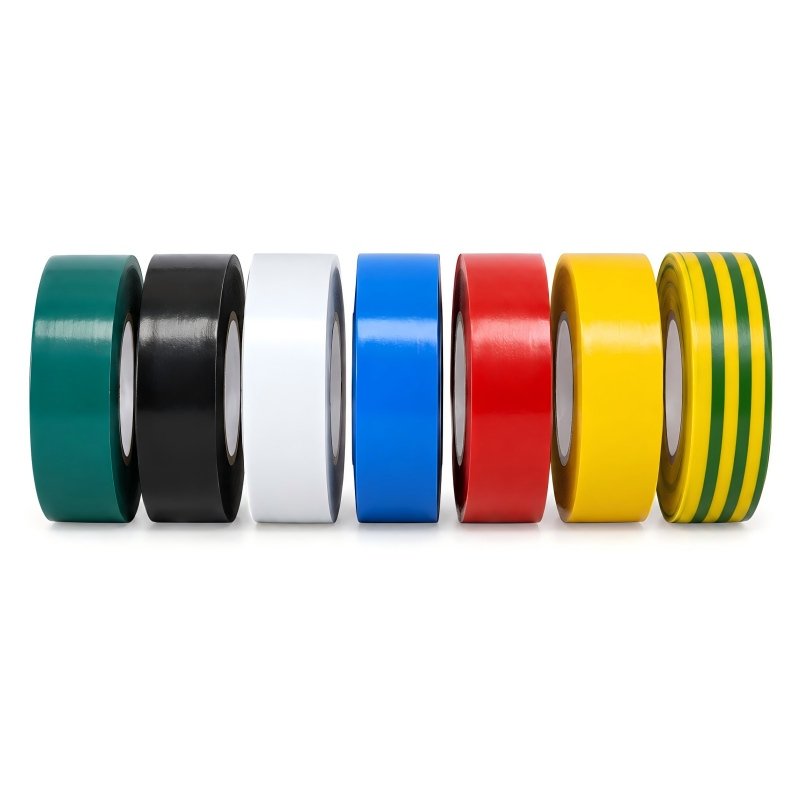
PVC Electrical Tape: Up to 80°C
Standard PVC electrical insulation tape generally has a temperature range of around -10°C to 80°C, depending on the grade and manufacturer. Some higher-temperature PVC tapes are rated for up to 105°C.
When exposed to temperatures beyond their rated limits, the adhesive may soften or lose bonding strength, while the PVC backing may become less stable.
PVC electrical tape is therefore a practical choice for general wire insulation, cable bundling, and everyday electrical maintenance, but it is not intended for all high-temperature applications.
Silicone Self-Fusing Tape: -50°C to +260°C
For applications involving wider temperature variations, silicone self-fusing tape is a suitable alternative.
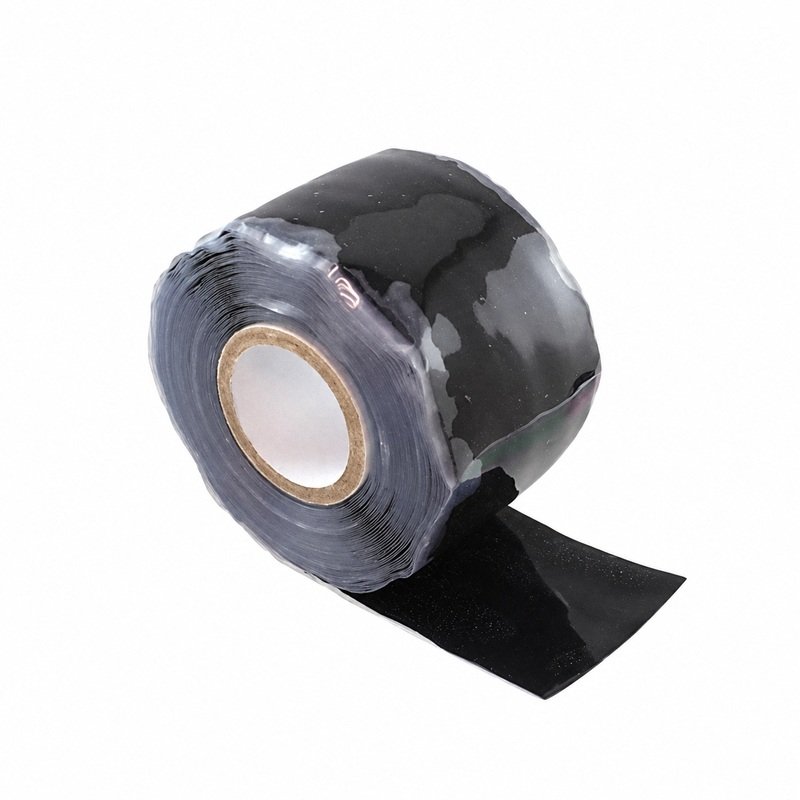
Lanben silicone self-fusing tape offers a temperature resistance range of -50°C to +260°C. Unlike conventional adhesive tapes, it contains no pressure-sensitive adhesive. When stretched and wrapped around a surface, it fuses to itself to form a seamless, flexible rubber insulation layer.
It is suitable for electrical insulation, cable protection, waterproof sealing, and applications exposed to high or low temperatures.
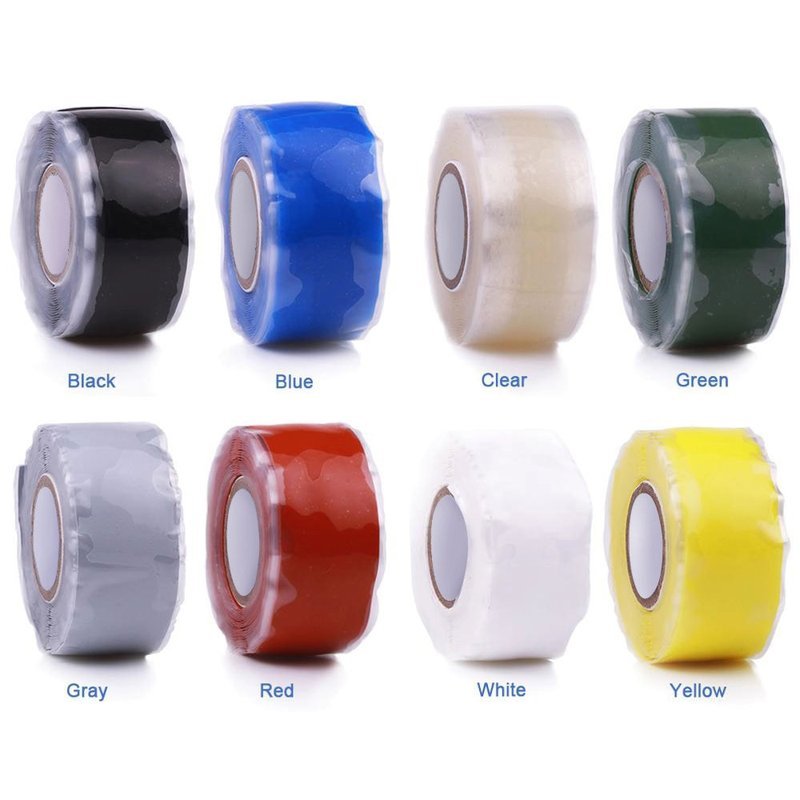
PVC vs. Silicone Self-Fusing Tape: Key Differences
| Property | PVC Electrical Tape | Silicone Self-Fusing Tape |
|---|---|---|
| Temperature range | -10°C to +80°C | -50°C to +260°C |
| Adhesive | Pressure-sensitive adhesive | No adhesive |
| Backing material | PVC film | Silicone rubber |
| Main advantage | General electrical insulation | Wide temperature resistance and waterproof sealing |
| Typical applications | Wire insulation, cable bundling | Cable protection, outdoor sealing, high-temperature applications |
Temperature ranges are product-specific reference values. Actual performance depends on the tape grade and application conditions.
Choosing the Right Electrical Tape
PVC electrical tape remains a practical option for everyday electrical insulation, while silicone self-fusing tape is better suited to applications requiring a wider temperature range and reliable waterproof protection.
Choosing tape according to its temperature rating and working environment helps ensure better insulation performance and long-term reliability.
Lanben supplies both PVC electrical insulation tape and silicone self-fusing tape for industrial and electrical applications. Contact us for product details and suitable material recommendations.